Table of Contents
Introduction
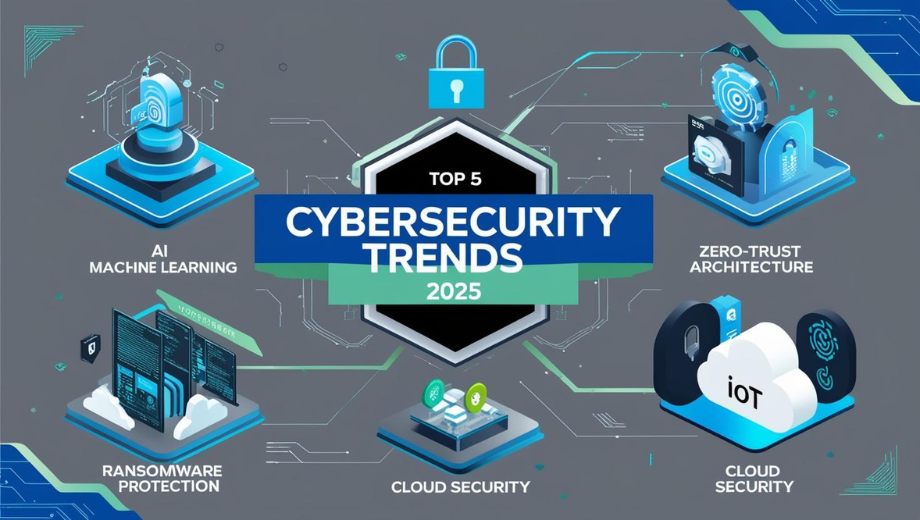
Cybersecurity continues to be one of the fastest-evolving fields in technology. With increasing sophistication in cyber-attacks and evolving regulatory environments, organizations worldwide must remain vigilant to protect their assets and data. As we head into 2025, several cybersecurity trends are emerging that could dramatically alter how businesses approach security. In this blog post, we will explore the top 5 cybersecurity trends to watch out for in 2025.
1. Artificial Intelligence and Machine Learning for Cyber Defense
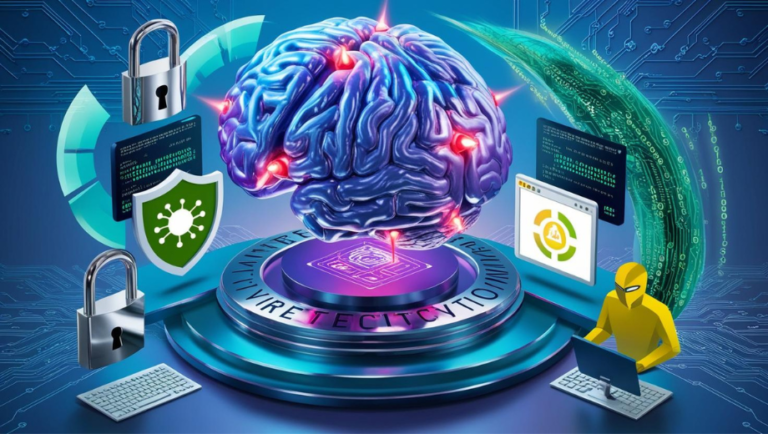
Artificial intelligence (AI) and machine learning (ML) are revolutionizing cybersecurity by offering advanced tools that can detect and respond to threats faster than ever before. In 2025, AI and ML will become even more integral to threat detection and response systems, providing proactive security measures rather than relying solely on reactive ones.
Key Benefits of AI and ML in Cybersecurity:
- Advanced Threat Detection: AI can analyze vast amounts of data to identify anomalies and suspicious activities.
- Predictive Analytics: Machine learning models can predict potential vulnerabilities and emerging threats before they occur.
- Automated Responses: AI-driven systems can instantly respond to cyber threats, significantly reducing response times.
As AI and ML continue to evolve, they will not only assist security professionals but also act as the first line of defense against increasingly sophisticated cyber threats.
SEO Keywords: Artificial intelligence in cybersecurity, AI threat detection, machine learning for security, proactive cybersecurity solutions.
2. Zero Trust Architecture (ZTA) Gaining Momentum
The traditional approach to cybersecurity relied heavily on perimeter-based security. However, with the rise of cloud services and remote work, the concept of “trusting the network” is becoming outdated. Zero Trust Architecture (ZTA) is one of the most significant cybersecurity trends in 2025, focusing on the principle of “never trust, always verify.”
Zero Trust emphasizes continuous verification of users, devices, and applications, even if they are inside the organization’s perimeter. With ZTA, every access request is treated as potentially malicious, requiring validation before granting access.
Benefits of Zero Trust:
- Granular Access Control: Only authorized users and devices can access sensitive data and systems.
- Reduced Attack Surface: Minimizes the risk of lateral movement for attackers inside the network.
- Improved Data Protection: Ensures data is encrypted and protected throughout its lifecycle.
Implementing Zero Trust will be critical in securing organizations, especially in a hybrid work environment, and reducing the risk of data breaches.
SEO Keywords: Zero Trust Architecture, ZTA cybersecurity, continuous verification, access control, network security.
3. The Rise of Ransomware-as-a-Service (RaaS)
Ransomware attacks have been a significant cybersecurity threat for years, but the emergence of Ransomware-as-a-Service (RaaS) is changing the landscape. In this model, cybercriminals with little technical expertise can purchase ransomware tools from dark web vendors and launch attacks on organizations.
In 2025, the availability of RaaS is expected to increase, making it even easier for bad actors to execute ransomware attacks on a global scale. This democratization of cybercrime is creating new challenges for organizations trying to protect themselves.
Mitigating RaaS Attacks:
- Backup and Recovery: Regularly back up critical systems and data to minimize the impact of ransomware.
- Security Awareness Training: Educate employees about phishing tactics and suspicious email attachments.
- Advanced Endpoint Detection and Response (EDR): Use advanced EDR solutions to monitor and respond to ransomware threats.
As ransomware attacks become more sophisticated, adopting a comprehensive security posture will be vital in 2025.
SEO Keywords: Ransomware-as-a-Service, RaaS attacks, ransomware protection, endpoint security, data backup solutions.
4. The Expansion of Cloud Security and DevSecOps
Cloud adoption continues to grow as businesses shift to remote and hybrid work models, offering increased flexibility and scalability. However, this transition has brought about new security concerns, as sensitive data is now stored in remote locations rather than on-premises servers. In response, cloud security will see significant advancements in 2025, with an emphasis on integrating security into the development lifecycle—known as DevSecOps.
DevSecOps is the practice of incorporating security into the software development process from the beginning rather than as an afterthought. By integrating security directly into the pipeline, organizations can identify vulnerabilities earlier, reducing the risk of breaches and costly delays.
Cloud Security Best Practices:
- Multi-factor Authentication (MFA): Strengthen access controls by requiring multiple authentication factors.
- Encryption: Ensure data is encrypted both at rest and in transit.
- Cloud Security Posture Management (CSPM): Automate continuous monitoring and compliance in the cloud environment.
In 2025, businesses will increasingly prioritize cloud security and DevSecOps to ensure that applications and systems are secure by design.
SEO Keywords: cloud security, DevSecOps, cloud security best practices, encryption in cloud, MFA, continuous monitoring.
5. Cybersecurity for the Internet of Things (IoT)
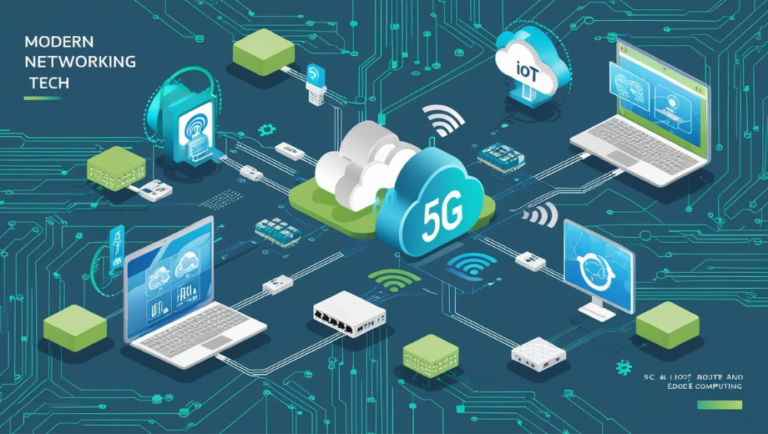
The Internet of Things (IoT) continues to grow, with more devices connected to the internet than ever before. From smart home devices to industrial machines, the rise of IoT has created a massive attack surface for cybercriminals to exploit. In 2025, securing IoT devices will be more critical than ever, as their vulnerabilities can be exploited for ransomware attacks, data breaches, and even physical damage.
Strategies to Secure IoT:
- Device Authentication: Ensure all IoT devices are authenticated before connecting to the network.
- Network Segmentation: Isolate IoT devices from critical systems and data to minimize potential damage.
- Regular Patching: Continuously update IoT devices to close security gaps and prevent attacks.
With the rise of smart cities, IoT security will be an integral part of cybersecurity strategies in 2025, and companies will need to take proactive steps to protect these devices.
SEO Keywords: IoT cybersecurity, securing IoT devices, IoT security strategies, device authentication, network segmentation.
Conclusion
As we move into 2025, cybersecurity remains a top priority for businesses worldwide. The rise of AI, Zero Trust, Ransomware-as-a-Service, cloud security, and IoT security are shaping the future of cybersecurity. To stay ahead of the curve, organizations must adopt advanced technologies, implement robust security measures, and continuously educate their teams to mitigate evolving threats. By staying informed about these trends and proactively adapting to the changing landscape, businesses can safeguard their assets, data, and reputation in the face of growing cyber threats.