Introduction
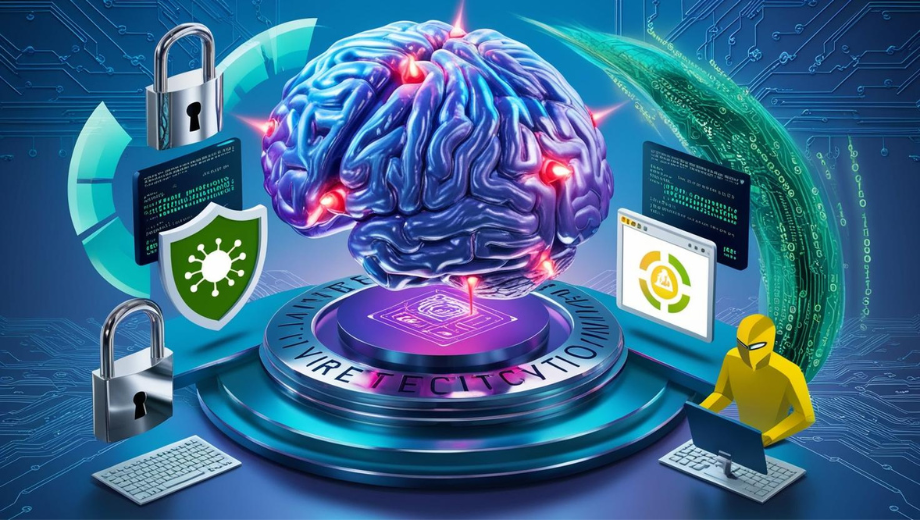
As cyber threats grow in complexity and scale, traditional security measures are increasingly insufficient. The rise of sophisticated attacks, such as ransomware, phishing, and insider threats, requires more than just reactive defense. This is where Artificial Intelligence (AI) comes into play, revolutionizing the way we protect sensitive information and critical infrastructure. In this blog, we explore how AI is reshaping cybersecurity, helping organizations stay ahead of attackers, and building stronger defenses in an ever-evolving threat landscape.
1. AI in Threat Detection: Moving from Reactive to Proactive Defense
One of the primary ways AI is transforming cybersecurity is through advanced threat detection. Traditionally, cybersecurity systems rely on signature-based detection methods, which identify known threats by matching patterns with a database of previously encountered attacks. However, this method often falls short when dealing with zero-day attacks (new, unknown vulnerabilities) and rapidly evolving threats.
AI-powered cybersecurity tools use machine learning algorithms to identify unusual patterns in data, network traffic, and user behavior that could indicate a potential attack. These systems can detect even the most subtle anomalies, significantly reducing the risk of undetected intrusions.
How AI Enhances Threat Detection:
- Behavioral Analytics: AI can learn normal user behavior and network traffic patterns to spot deviations that could signal an attack.
- Anomaly Detection: AI models continuously analyze vast amounts of data to detect previously unknown threats in real-time.
- Automated Response: AI can trigger automated responses, such as blocking suspicious activities or isolating compromised systems, to minimize damage before human intervention is needed.
In 2025, AI-driven threat detection will be crucial for organizations aiming to stay ahead of increasingly sophisticated cybercriminals.
SEO Keywords: AI in threat detection, machine learning cybersecurity, behavioral analytics, anomaly detection in cybersecurity, automated response.
2. AI for Automated Incident Response and Remediation
The speed at which cyberattacks evolve requires organizations to respond quickly and efficiently. Incident response has traditionally been a manual process, involving the identification, containment, and remediation of security incidents. However, the sheer volume of incidents in modern enterprises can overwhelm security teams, leading to delayed responses and increased damage.
AI can automate many aspects of incident response, enabling faster reaction times and reducing the burden on security teams. AI-driven systems can analyze attack patterns, predict potential outcomes, and deploy remediation actions such as patching vulnerabilities or quarantining infected systems.
Benefits of AI in Incident Response:
- Faster Decision-Making: AI can provide security analysts with real-time insights, speeding up decision-making and mitigating the impact of attacks.
- Reduced Human Error: By automating repetitive tasks, AI minimizes the risk of human error, which can lead to overlooked threats or slow response times.
- Adaptive Learning: AI systems evolve by learning from past incidents, continuously improving their ability to predict and respond to new threats.
As cybersecurity incidents grow in scale and sophistication, the role of AI in automated incident response will become increasingly vital.
SEO Keywords: AI in incident response, automated remediation, AI cybersecurity tools, threat response automation, AI-driven security.
3. AI-Powered Malware Detection and Prevention
Malware is one of the most common and devastating threats facing businesses today. From ransomware to spyware, malicious software can cripple an organization’s operations, steal sensitive data, and cause financial losses. Traditional antivirus software often relies on signature-based detection, which struggles to keep up with the evolving tactics of cybercriminals.
AI-powered malware detection systems leverage machine learning to analyze files, behavior, and network traffic to detect new and unknown types of malware. These systems continuously learn from new threats, improving their ability to identify previously unseen malware before it can cause significant damage.
AI Malware Detection Features:
- Real-Time Analysis: AI scans files, emails, and network traffic for potential malware in real time, preventing infections before they spread.
- Heuristic Analysis: AI uses heuristic algorithms to identify suspicious behavior that could indicate malware, even without the presence of known malware signatures.
- Zero-Day Malware Detection: AI systems can identify and block new malware variants, even those that have not yet been added to signature-based databases.
With the rise of increasingly sophisticated and evasive malware, AI-powered malware detection will be a critical component of modern cybersecurity defense strategies.
SEO Keywords: AI malware detection, ransomware prevention, machine learning in cybersecurity, malware analysis, AI antivirus.
4. Enhancing Identity and Access Management (IAM) with AI
Identity and Access Management (IAM) is a fundamental aspect of cybersecurity, ensuring that only authorized users can access sensitive systems and data. Traditional IAM systems often rely on simple password-based authentication, which is vulnerable to attacks like password cracking, phishing, and brute force.
AI is improving IAM by introducing multi-factor authentication (MFA), biometric authentication, and behavioral biometrics. These AI-enhanced solutions provide more secure and frictionless ways of verifying identity while reducing the risk of unauthorized access.
AI-Enhanced IAM Features:
- Biometric Authentication: AI-powered facial recognition, fingerprint scanning, and voice recognition provide more secure authentication methods.
- Behavioral Biometrics: AI can monitor how users interact with systems (e.g., typing speed, mouse movements) to detect anomalies that may indicate unauthorized access.
- Adaptive Authentication: AI can assess the risk level of each login attempt based on factors such as location, device, and time of access, adjusting authentication requirements accordingly.
AI-driven IAM solutions will help organizations strengthen access controls, reduce the risk of data breaches, and ensure secure user authentication in an increasingly digital world.
SEO Keywords: AI in IAM, biometric authentication, multi-factor authentication AI, behavioral biometrics, secure access control.
5. AI-Powered Phishing Prevention
Phishing remains one of the most common and effective methods used by cybercriminals to breach organizations. Attackers often use sophisticated techniques to craft convincing emails or websites that trick users into disclosing sensitive information like login credentials and financial details. Traditional email filtering systems may miss new phishing attempts, especially those that use social engineering to bypass security measures.
AI-based phishing detection systems leverage natural language processing (NLP) and machine learning to identify phishing emails and malicious websites based on content, context, and sender behavior. These AI tools can detect even subtle signs of phishing, such as unusual language patterns or fake domains, that traditional filters might miss.
AI Phishing Prevention Features:
- Email Scanning: AI scans incoming emails for suspicious attachments, links, and text patterns indicative of phishing attempts.
- URL Analysis: AI analyzes URLs in emails and messages to identify potentially fraudulent websites.
- User Behavior Monitoring: AI tracks user interactions with emails and websites, detecting unusual behavior that could indicate a phishing attack.
By leveraging AI, organizations can strengthen their defenses against phishing and prevent one of the most common cyberattack vectors.
SEO Keywords: AI phishing prevention, machine learning email security, phishing detection, social engineering attacks, URL analysis AI.
Conclusion
Artificial Intelligence is revolutionizing the cybersecurity industry by providing proactive, automated, and intelligent defense mechanisms against increasingly sophisticated cyber threats. From threat detection and incident response to malware prevention and phishing defense, AI is enhancing every aspect of modern cybersecurity. As cyber threats continue to evolve, AI-powered tools will play a pivotal role in protecting sensitive data, ensuring compliance, and enabling businesses to navigate the complex landscape of cybersecurity with confidence.