Introduction
As businesses evolve, so does the technology that connects them. Traditional Wide Area Networks (WANs) are being outpaced by Software-Defined WANs (SD-WANs), which offer greater flexibility, reliability, and performance. The digital transformation of enterprises requires a network solution that can handle the increasing complexity of cloud applications, remote workforces, and security demands. In this blog, we explore SD-WAN technology, its benefits, and how it is reshaping the way organizations manage and optimize their networks.
1. What is SD-WAN?
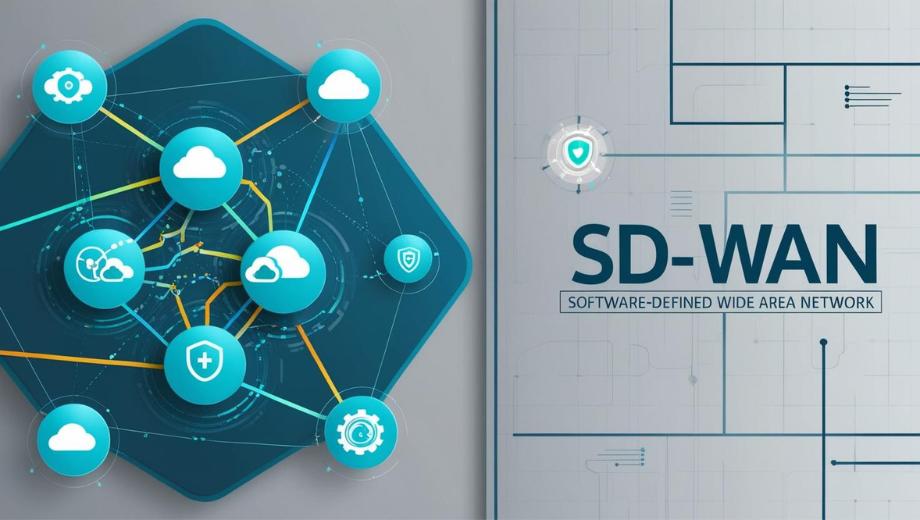
Software-Defined Wide Area Networking (SD-WAN) is an advanced network architecture that uses software to control and manage the wide area network (WAN), making it more efficient, secure, and scalable. Unlike traditional WANs, which rely on hardware-based configurations and static connections, SD-WAN abstracts the underlying network hardware and allows enterprises to use any transport (MPLS, broadband, LTE, etc.) to connect their offices, data centers, and cloud environments.
Key Features of SD-WAN:
- Centralized Control: SD-WAN provides a centralized dashboard that allows IT teams to manage, monitor, and configure the network from a single interface, reducing complexity.
- Dynamic Path Selection: SD-WAN automatically selects the most efficient and secure path for data traffic based on network conditions, ensuring optimal performance.
- Cloud-First Architecture: It’s optimized for cloud applications, making it ideal for businesses embracing cloud-based services and infrastructure.
In essence, SD-WAN offers a more agile, scalable, and cost-effective solution compared to traditional WANs, which are often rigid and difficult to manage.
SEO Keywords: What is SD-WAN, SD-WAN technology, software-defined WAN, SD-WAN benefits.
2. Benefits of SD-WAN for Modern Enterprises
The growing need for faster, more secure, and more flexible networking solutions has made SD-WAN a game-changer for enterprises of all sizes. Here are the key benefits of adopting SD-WAN:
a. Cost Efficiency
One of the primary reasons enterprises are moving toward SD-WAN is its cost-effectiveness. Traditional WANs often require expensive MPLS circuits, which can be costly to scale and maintain. With SD-WAN, businesses can use affordable internet connections, such as broadband or LTE, as part of their WAN. By reducing the dependency on costly MPLS and leveraging a mix of cheaper internet connections, SD-WAN helps businesses lower their operational costs.
b. Improved Performance and Reliability
SD-WAN enhances network performance by dynamically routing traffic over the most efficient paths based on real-time network conditions. If one path experiences congestion or failure, SD-WAN can seamlessly switch to a better-performing path. This ensures higher reliability and uptime, providing users with an uninterrupted experience when accessing cloud applications or corporate resources.
c. Enhanced Security
Security is a top priority for enterprises today, and SD-WAN addresses this by offering built-in security features like encryption, secure tunneling, and integrated firewall capabilities. With SD-WAN, businesses can securely connect remote offices to the corporate network, even when using less-secure internet connections. This added security helps mitigate the risks associated with cyber threats, ensuring data integrity and confidentiality.
d. Simplified Network Management
Traditional WANs require manual configuration and management, which can be time-consuming and error-prone. SD-WAN simplifies the management of the network by providing a centralized, software-defined control plane. IT administrators can quickly deploy, monitor, and optimize network resources with just a few clicks. This reduces the administrative overhead, enabling teams to focus on more strategic initiatives.
e. Better Support for Remote Work and Cloud Applications
As remote work and cloud applications become the norm, SD-WAN is increasingly valuable. It allows businesses to efficiently connect remote offices and employees to cloud applications, regardless of location. With SD-WAN, organizations can prioritize and route traffic to cloud-based resources, ensuring employees experience optimal performance even when working remotely.
SEO Keywords: SD-WAN benefits, SD-WAN cost savings, SD-WAN performance, SD-WAN security, SD-WAN network management.
3. How SD-WAN Enhances Cloud Connectivity
The modern enterprise is heavily reliant on cloud services, which require a fast, secure, and reliable network connection. SD-WAN enhances cloud connectivity by providing direct and optimized paths to cloud applications, bypassing the limitations of traditional WANs.
Key Ways SD-WAN Improves Cloud Connectivity:
- Cloud-Optimized Routing: SD-WAN uses real-time monitoring and intelligent routing to direct traffic to the nearest cloud data center, reducing latency and improving application performance.
- Multi-Cloud Support: Many organizations use multiple cloud providers for different services. SD-WAN supports multi-cloud environments, providing a seamless and efficient connection across multiple cloud platforms.
- Traffic Prioritization: SD-WAN can prioritize traffic based on application requirements, ensuring that critical cloud applications like VoIP, video conferencing, and enterprise software perform optimally.
SD-WAN is an essential component of a cloud-first strategy, helping organizations fully leverage the benefits of cloud computing without compromising on performance, reliability, or security.
SEO Keywords: SD-WAN and cloud connectivity, multi-cloud support, cloud optimization, SD-WAN cloud-first strategy.
4. SD-WAN and Security: A Stronger Defense Against Cyber Threats
In today’s threat landscape, securing network traffic is more important than ever. SD-WAN integrates robust security features to protect data and prevent cyberattacks, such as:
a. Built-in Encryption
All traffic across an SD-WAN network is encrypted, ensuring that sensitive data is protected during transit. Whether users are accessing applications from a remote office or a cloud environment, SD-WAN ensures secure communication.
b. Secure Network Segmentation
SD-WAN allows for network segmentation, isolating sensitive data or applications from the rest of the network. This segmentation reduces the attack surface, limiting the potential for lateral movement in case of a breach.
c. Next-Generation Firewall (NGFW)
Many SD-WAN solutions include next-generation firewalls that offer advanced protection against malware, ransomware, and other threats. The integration of NGFW ensures that businesses have a robust defense system in place to mitigate emerging threats.
d. Zero Trust Architecture
With the growing adoption of the zero trust model, SD-WAN supports secure, granular access control policies to ensure that only authorized users and devices can access sensitive resources, reducing the likelihood of internal and external security breaches.
SEO Keywords: SD-WAN security, SD-WAN encryption, next-generation firewall, secure network segmentation, zero trust architecture.
5. The Future of SD-WAN: What’s Next?
As SD-WAN continues to evolve, its capabilities will expand to meet the growing demands of modern enterprises. Future developments may include enhanced support for 5G, tighter integration with edge computing, and greater intelligence through AI and machine learning.
With businesses increasingly adopting hybrid and multi-cloud strategies, SD-WAN will play an even more critical role in optimizing performance, ensuring security, and providing a seamless user experience.
SEO Keywords: Future of SD-WAN, SD-WAN evolution, SD-WAN and AI, SD-WAN 5G integration.
Conclusion
SD-WAN is transforming the way organizations manage their networks, providing a flexible, cost-effective, and secure solution for today’s cloud-first, digital world. With its many benefits—including cost savings, improved performance, enhanced security, and simplified management—SD-WAN is becoming a must-have technology for businesses aiming to stay competitive. As the digital landscape continues to evolve, SD-WAN will remain at the forefront, driving innovation in networking and enabling enterprises to navigate the challenges of the future.