Table of Contents
The world of server technologies has witnessed tremendous advancements over the years, reshaping how businesses manage and store data, run applications, and ensure uninterrupted service delivery. From the early days of physical servers to the rise of virtualized environments, and now, the explosion of cloud computing, the evolution of server technologies continues to play a pivotal role in transforming IT infrastructures worldwide. In this blog, we will explore the journey of server technologies, highlight key innovations, and discuss the future direction of server solutions in the ever-changing landscape of business technology.
1. The Era of Physical Servers
In the beginning, physical servers were the backbone of data centers. These large, bulky machines were responsible for hosting applications, storing data, and managing network traffic. The IT industry relied heavily on on-premises hardware, and organizations had to maintain and manage these servers themselves, often resulting in high costs for hardware, electricity, cooling, and space.
Challenges of Physical Servers:
- Limited Scalability: Once the server reached its capacity, scaling up required purchasing and setting up new hardware.
- High Maintenance Costs: Physical servers required constant maintenance and hardware upgrades, leading to higher operational costs.
- Downtime Risks: If a physical server malfunctioned, it could result in significant downtime, affecting business operations.
Despite these limitations, physical servers were reliable and formed the foundation for IT infrastructures for many years. However, as businesses grew and digital demands increased, the need for more flexible, scalable, and efficient solutions became apparent.
SEO Keywords: physical servers, on-premises hardware, server maintenance costs, server scalability.
2. The Rise of Virtualization
In the late 1990s and early 2000s, server virtualization revolutionized the IT world. Virtualization allows a single physical server to run multiple virtual servers (known as virtual machines or VMs), each acting like an independent physical server. This technology made it possible to consolidate hardware, reduce costs, and significantly improve resource utilization.
Key Benefits of Virtualization:
- Resource Optimization: Virtualization allows businesses to make better use of existing hardware by running multiple virtual servers on a single physical machine.
- Improved Scalability: Virtual machines can be quickly created, cloned, or moved across servers, offering flexible and scalable solutions for businesses.
- Reduced Downtime: Virtualization helps minimize downtime by allowing VMs to be migrated or replicated to other servers in the event of hardware failure.
Virtualization laid the foundation for more advanced server technologies and has been a critical step toward the transition to cloud computing.
SEO Keywords: server virtualization, virtual machines, resource optimization, server consolidation.
3. The Advent of Cloud Computing
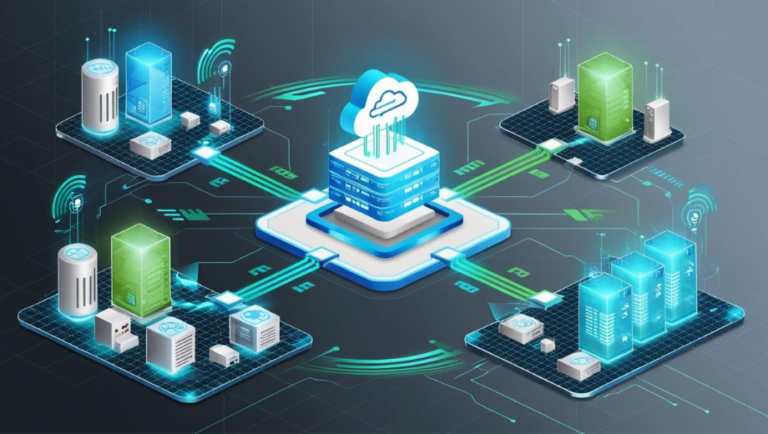
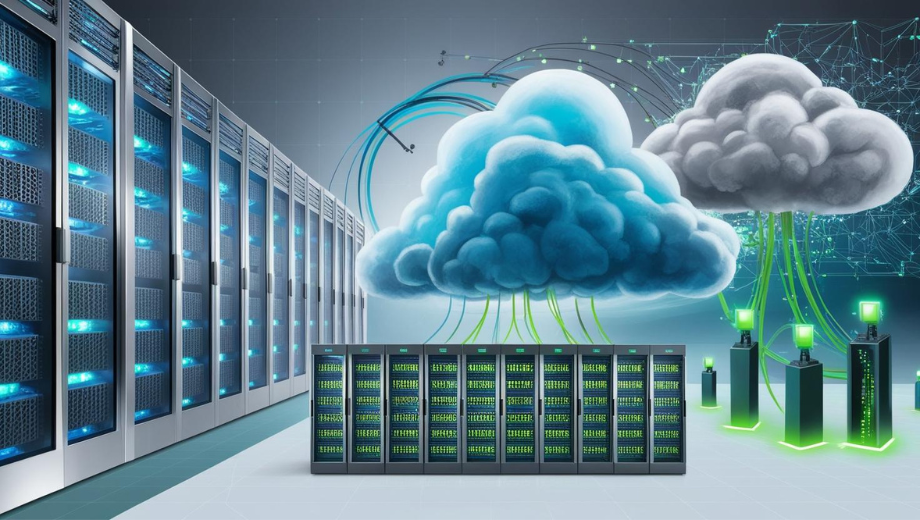
As businesses began demanding more scalability, cost-efficiency, and flexibility, cloud computing emerged as the next evolutionary step in server technologies. With the cloud, companies could rent computing resources such as storage, processing power, and memory from providers like Amazon Web Services (AWS), Microsoft Azure, and Google Cloud, rather than managing on-premises servers.
Cloud computing can be divided into three main types:
- Infrastructure as a Service (IaaS): Cloud providers offer virtualized computing resources over the internet, allowing businesses to rent computing power, storage, and networking.
- Platform as a Service (PaaS): PaaS offers a platform to build and deploy applications without managing the underlying infrastructure.
- Software as a Service (SaaS): Cloud-based software applications that are accessed via the internet, removing the need for on-premises servers to host them.
Advantages of Cloud Servers:
- Cost Efficiency: Businesses only pay for the resources they use, reducing capital expenses associated with maintaining physical servers.
- Scalability: Cloud services can be scaled up or down with ease, providing flexibility based on demand.
- High Availability: Cloud providers offer multiple data centers globally, ensuring high availability and disaster recovery options.
The cloud has rapidly become the preferred solution for businesses of all sizes, offering unparalleled flexibility and performance.
SEO Keywords: cloud computing, IaaS, PaaS, SaaS, cloud server benefits, cloud scalability.
4. Hybrid and Multi-Cloud Environments
The next phase in server technology is the rise of hybrid and multi-cloud environments. Many businesses are opting for a hybrid model, where they combine on-premises infrastructure with cloud services. This approach allows organizations to enjoy the best of both worlds—keeping sensitive data on-premises while leveraging the cloud for scalability and cost savings.
Hybrid Cloud Benefits:
- Flexibility: Businesses can choose the right environment for different workloads, balancing security and scalability needs.
- Cost Control: Sensitive data and legacy applications can be kept on-premises, while less critical workloads can be moved to the cloud.
- Business Continuity: Hybrid cloud ensures continuity of operations by providing backup and failover solutions between on-premises infrastructure and the cloud.
Multi-cloud environments, where businesses use services from multiple cloud providers (rather than relying on a single provider), are becoming increasingly popular to avoid vendor lock-in and ensure greater availability and reliability.
SEO Keywords: hybrid cloud, multi-cloud environments, cloud flexibility, multi-cloud strategy.
5. The Future of Server Technologies: Edge Computing and Beyond
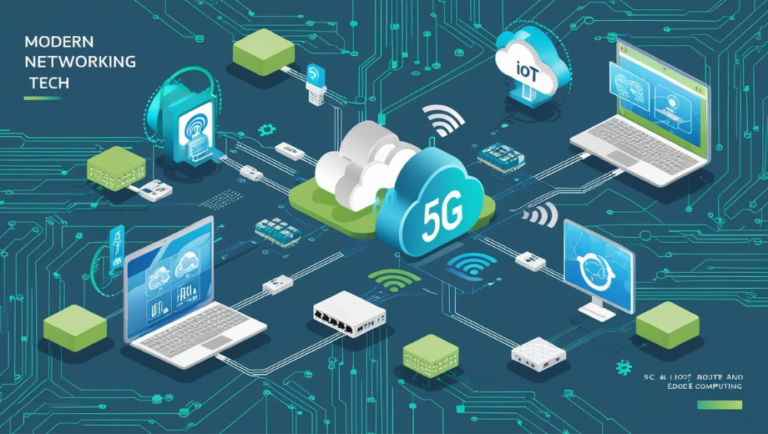
Looking ahead, edge computing is expected to play a major role in the future of server technologies. Edge computing brings data storage and processing closer to the location where it is needed, rather than relying on a centralized data center. This is particularly beneficial for applications that require low latency, such as IoT devices, autonomous vehicles, and real-time analytics.
Key Features of Edge Computing:
- Low Latency: By processing data closer to the source, edge computing minimizes delays, ensuring faster decision-making and response times.
- Data Privacy and Security: Edge computing can help maintain data privacy by processing sensitive information locally instead of transmitting it to the cloud.
- Bandwidth Efficiency: By handling some processing at the edge, organizations can reduce the amount of data that needs to be transmitted to the cloud, saving bandwidth.
Edge computing, combined with advancements in AI and machine learning, is expected to drive the next wave of server technology innovation, enabling businesses to process data in real-time and provide more personalized, faster services.
SEO Keywords: edge computing, low latency, IoT devices, edge computing security, AI in edge computing.
Conclusion
Server technologies have come a long way, from the days of physical servers to the flexible, scalable, and cost-efficient cloud environments we use today. As businesses continue to evolve and digital transformation accelerates, the future of server technologies lies in hybrid, multi-cloud, and edge computing solutions. These innovations promise to provide businesses with greater efficiency, better performance, and the ability to meet the growing demands of a connected world. By staying ahead of these trends, organizations can ensure they are ready to face the challenges of the future while optimizing their IT infrastructure for success.