Technology is evolving at an astonishing pace, with disruptive innovations transforming how we live, work, and interact. Among these advancements, Artificial Intelligence (AI), Blockchain, and Cybersecurity stand out as some of the most transformative technologies of the modern age. While these technologies have been developing in parallel, their intersection is creating new opportunities and challenges in a range of industries.
In this blog, we will explore how AI, Blockchain, and Cybersecurity are converging to shape the future of technology. From improving security with AI-driven solutions to enhancing data integrity and privacy with Blockchain, these technologies are providing powerful tools to address the growing demands of the digital world.
1. Artificial Intelligence: Transforming the Tech Landscape
Artificial Intelligence has quickly become a cornerstone of modern technology, revolutionizing industries such as healthcare, finance, and manufacturing. By simulating human intelligence, AI is capable of performing tasks like decision-making, learning from data, and even understanding natural language.
AI and Automation: The Future of Business Efficiency
One of the biggest trends in AI is its role in automation. From chatbots and virtual assistants to predictive analytics and process optimization, AI is helping businesses streamline operations and enhance productivity. This shift toward automation is not only driving cost savings but also improving customer experiences. By eliminating repetitive tasks, AI frees up human workers to focus on more strategic and creative endeavors, driving innovation and growth.
AI in Cybersecurity: Strengthening Digital Defenses
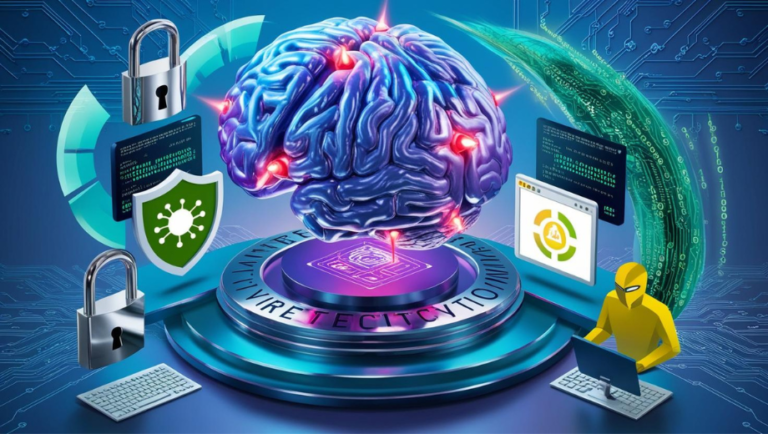
Cybersecurity is a top priority for businesses and organizations as the digital threat landscape becomes increasingly complex. Traditional security systems are struggling to keep up with new types of cyberattacks, such as ransomware, phishing, and zero-day vulnerabilities. However, AI is emerging as a powerful ally in the battle against cyber threats.
AI-driven security tools use machine learning algorithms to analyze vast amounts of data, identifying patterns and anomalies that could indicate a potential security breach. These systems can adapt in real-time, detecting new threats as they arise and taking immediate action to neutralize them. This proactive approach to security enhances an organization’s ability to defend against attacks before they cause significant damage.
AI and Data Privacy: Balancing Innovation and Ethics
As AI technologies collect and analyze vast amounts of personal data, ensuring privacy and ethical use of data has become a growing concern. With stricter data protection regulations such as GDPR and CCPA, businesses are under increasing pressure to safeguard user data and maintain transparency. AI-powered privacy solutions are being developed to help organizations protect sensitive data while still leveraging the benefits of AI. From anonymizing personal information to implementing privacy-preserving machine learning models, AI can help ensure that data is used responsibly and ethically.
2. Blockchain: Revolutionizing Trust and Transparency
Blockchain, the decentralized ledger technology that underpins cryptocurrencies like Bitcoin, is rapidly gaining traction as a solution to enhance trust and transparency in digital transactions. Blockchain’s potential goes far beyond just digital currencies; it has the ability to disrupt industries ranging from supply chain management to healthcare.
Blockchain for Enhanced Security and Data Integrity
One of the key advantages of Blockchain is its ability to provide a secure and immutable record of transactions. Because each block in the chain is cryptographically linked to the previous one, altering any data within the blockchain requires changing every subsequent block, making it virtually impossible to tamper with.
In the context of cybersecurity, Blockchain can be used to improve data integrity and prevent fraud. By providing a transparent and auditable record of transactions, Blockchain can reduce the risk of data manipulation and ensure the authenticity of digital assets. For example, Blockchain can be used to verify the authenticity of digital certificates, contracts, and other critical documents, reducing the potential for fraud and identity theft.
Blockchain for Decentralized Identity Management
Identity management is a critical issue in cybersecurity, as traditional centralized systems are vulnerable to hacking and data breaches. Blockchain offers a decentralized solution for managing digital identities, allowing individuals to control their personal information without relying on a central authority.
With Blockchain-based identity management systems, users can verify their identity using a secure, tamper-proof digital record, reducing the risk of identity theft and fraud. This approach has the potential to revolutionize how we manage identities online, enabling secure and seamless authentication for everything from online banking to healthcare.
Blockchain in Supply Chain Management: Improving Transparency
Blockchain is also being used to enhance transparency and traceability in supply chains. By creating an immutable ledger of every transaction, Blockchain allows businesses to track the movement of goods from origin to destination, ensuring that products are ethically sourced and meet regulatory standards.
For example, in the food industry, Blockchain can be used to verify the origin of food products, providing consumers with detailed information about where their food comes from and how it was produced. Similarly, in the pharmaceutical industry, Blockchain can help prevent the distribution of counterfeit drugs by tracking their journey through the supply chain.
3. Cybersecurity: Securing the Digital Future
As the digital world grows more interconnected, cybersecurity is becoming increasingly critical. From data breaches to ransomware attacks, the risks to businesses and individuals are more prevalent than ever before. Traditional security measures are no longer enough to protect against evolving threats, and organizations are turning to new technologies to bolster their defenses.
The Rise of Zero Trust Architecture
One of the most significant trends in cybersecurity is the adoption of Zero Trust architecture. Unlike traditional security models, which assume that users inside the network are trustworthy, Zero Trust assumes that every user and device, both inside and outside the network, could be compromised. Therefore, access is granted based on strict identity verification and continuous monitoring.
Zero Trust ensures that only authorized users and devices can access critical resources, reducing the risk of insider threats and unauthorized access. By implementing Zero Trust, organizations can better secure their networks and data, even in the face of increasing cyber threats.
AI and Automation in Cybersecurity
AI is transforming cybersecurity by enabling organizations to detect and respond to threats in real-time. Traditional security systems rely on predefined rules to identify threats, but these systems can be slow to adapt to new attack methods. AI-driven cybersecurity tools use machine learning algorithms to continuously learn from new data, identifying and neutralizing threats faster and more accurately.
Additionally, AI-powered automation is helping to streamline security operations, reducing the burden on security teams and allowing them to focus on higher-priority tasks. By automating tasks like incident response, vulnerability scanning, and threat hunting, businesses can improve their overall security posture and reduce the risk of human error.
Blockchain in Cybersecurity: Enhancing Data Protection
As discussed earlier, Blockchain is becoming an essential tool in cybersecurity. Its decentralized nature ensures that sensitive data is stored securely, reducing the risk of hacking and data breaches. Blockchain can also be used to verify the authenticity of data, ensuring that it hasn’t been tampered with.
For example, Blockchain can be used to protect digital assets like intellectual property, personal data, and financial transactions. By creating a transparent and immutable record of every transaction, Blockchain can help organizations maintain the integrity of their data and ensure that it hasn’t been altered or tampered with.
4. The Convergence of AI, Blockchain, and Cybersecurity
As we look to the future, the intersection of AI, Blockchain, and cybersecurity is creating powerful synergies that are changing the way we approach digital security. AI can enhance the capabilities of Blockchain by enabling real-time monitoring and analysis of blockchain networks, while Blockchain can provide the secure, tamper-proof infrastructure needed to support AI applications. Together, these technologies are driving the development of next-generation cybersecurity solutions.
For example, AI-powered Blockchain solutions can automate fraud detection in financial transactions, while Blockchain’s transparency features can ensure the integrity of AI-driven decision-making systems. Similarly, AI can be used to enhance the security of Blockchain networks by identifying vulnerabilities and detecting potential threats.
Conclusion: A Secure and Innovative Future
The convergence of Artificial Intelligence, Blockchain, and Cybersecurity is shaping the future of technology in profound ways. These technologies are not only enhancing security and data integrity but also enabling new possibilities for innovation and growth. As we continue to explore the intersection of AI, Blockchain, and Cybersecurity, we can expect to see even more powerful solutions that address the evolving challenges of the digital world.
At Cybers Alpha, we are dedicated to staying at the forefront of technological innovation. Whether you’re looking to explore the latest trends in AI, learn about Blockchain’s potential, or strengthen your cybersecurity strategy, our platform offers the resources and insights you need to lead the digital frontier. Join us today to be part of the future of technology.